Banana Museum

The Madeira Banana Museum (BAM) is an innovative cultural space dedicated to the history, science, tradition, and economic impact of the Madeiran banana—one of the most emblematic products of the region’s identity.

Located in Ponta do Sol, between the sea and the plantations that shape the local landscape, the museum offers an immersive experience that combines technology, collective memory, and Madeiran authenticity.

With an average rating of 4.6/5 based on over 2200 visitors, BAM stands out for the quality of its exhibitions, its modern approach, and the engaging way it presents the island’s agricultural culture.

Inside, visitors embark on a journey through the history of the banana in Madeira, from its introduction to the fundamental role it plays in the economy and daily lives of agricultural communities.

The interactive exhibits utilize cutting-edge technology, augmented reality, and multimedia content, transforming the visit into an educational and sensory experience.

The agricultural culture is presented through tools, cultivation methods, farmers’ stories, and traditions that reveal the human and historical side of banana production.

The museum also integrates a sensory space, where aromas, textures, and immersive environments allow visitors to experience the Madeiran banana beyond sight, creating a unique and memorable experience.

At the end of the tour, the themed shop offers regional products, official merchandise, and exclusive items that celebrate Madeira’s connection with its most iconic fruit.

The BAM was designed to be fully accessible, ensuring that all visitors—including people with reduced mobility or wheelchair users—can enjoy the experience without barriers. Ramps, wide paths, clear signage, and adapted content reinforce the commitment to cultural inclusion in the region.

More than a museum, the BAM is a celebration of Madeiran identity.

Each room, each detail, and each experience reinforces the deep connection between the community, agriculture, and culture of the island, transforming the banana into a living symbol of Madeira.


Accessibilities

♿🟠-Accessibility: Medium (Due to the ground, access is via a ramp with some inclination).


« Back

Fajã Dos Padres

Fajã dos Padres is a unique territory on the south coast of Madeira, marked by a rare combination of historical, agricultural, and scenic value.
Formed by an ancient rocky outcrop that created a fertile platform between the sea and a cliff of about three hundred meters, this space has become, over the centuries, a remarkable example of human resilience and heritage preservation.
From the end of the 16th century, the fajã was administered by Jesuit priests, who gave it its name and developed a benchmark agricultural activity, notably the production of Malvasia Cândida, one of the most emblematic wines in the history of Madeira wine.
After the expulsion of the Society of Jesus, the property passed through different owners, facing periods of transformation and challenges related to viticulture.
In the 20th century, the fajã came into the hands of the Jardim Fernandes family, who recovered agricultural traditions, preserved the last original Malvasia Cândida vine, and consolidated a sustainable project that values ​​the authenticity of the territory.
Today, Fajã dos Padres is accessible via a panoramic cable car and integrates diversified agricultural production, restored historical accommodations, and an ongoing commitment to the conservation of the landscape and cultural memory.
It is recognized as a benchmark in promoting Madeiran identity, where nature, history, and tradition are maintained in exemplary balance.


Accessibilities

♿🟠-Accessibility: Medium (Due to the ground, access is via a ramp with some inclination).


« Back

Fortim Do Faial

The municipality of Santana is home to a very special place that offers visitors a trip back in time and stunning scenery.

This is, of course, the Fortim do Faial viewpoint, one of the must-sees on the north coast of Madeira.

Built in the 18th century, this place has a recreational architectural profile.

An incursion into the past complemented by some of the relics present, such as the ten small cannons of English origin once used to defend the site.

The Fortim do Faial was built here with the purpose of facilitating surveillance against invaders.

Today, the space recreates a military battery, semicircular in plan, which follows the profile of the hillside where it is located, with an outer wall.

The lower two thirds are more advanced and the fort still has a stonework capping.

It has therefore been considered a Monument of Local Value since 1996, and is also much visited for its privileged view.

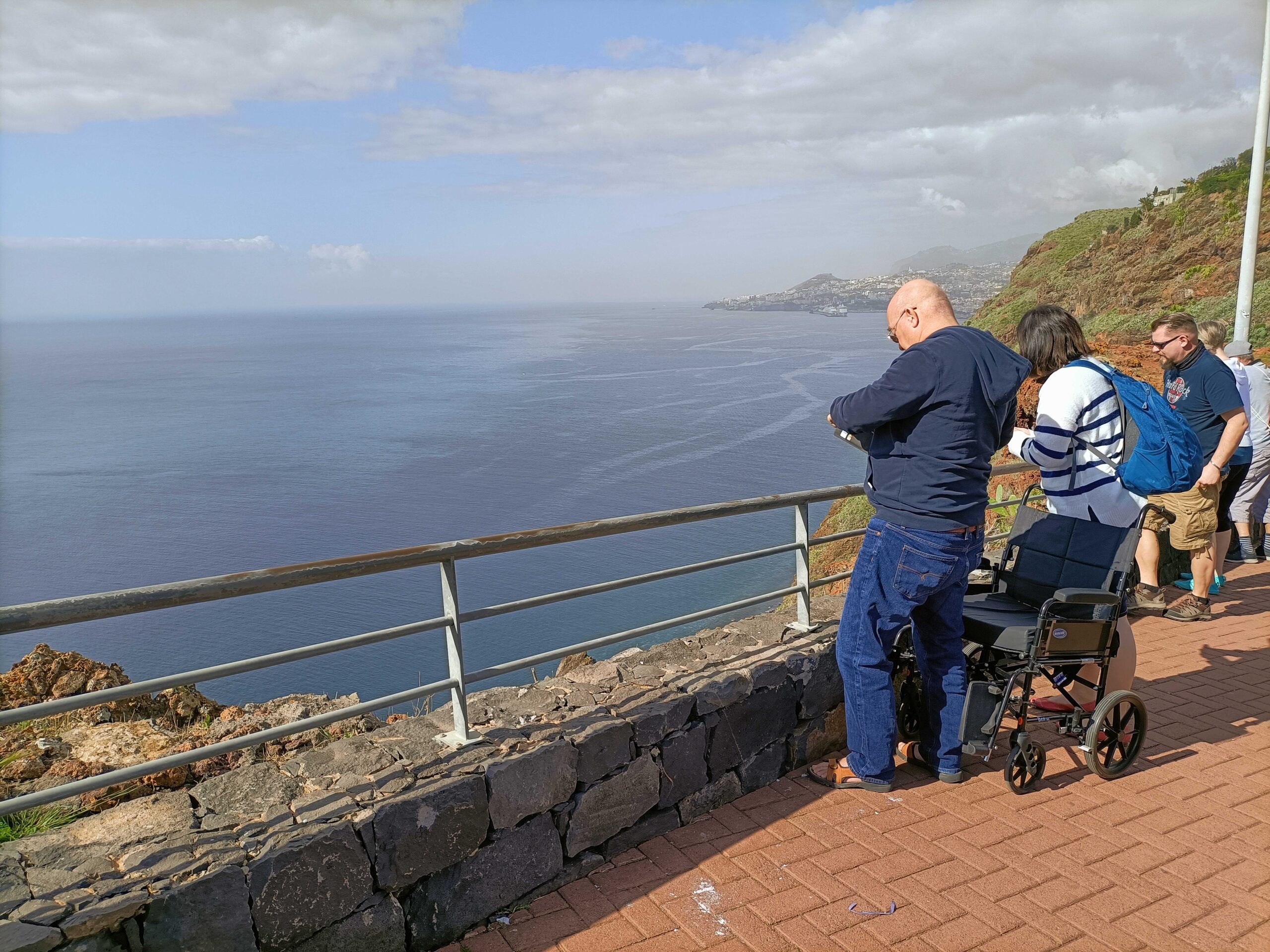
From the Fortim do Faial viewpoint you can see towns such as Faial, São Roque do Faial and Porto da Cruz, as well as the imposing Penha d’Águia and Ponta de São Lourenço.

On clear days, you can also see the island of Porto Santo.

Built in the 18th century, the Fortim do Faial, built to guard against invaders, offers visitors a trip back in time and a wide view of Madeira’s northern coastline.


Accessibilities

♿ 🟢 Accessibility: Easy 


« Back

Levada Das Queimadas ( Scooter Off Road )

Levada Das Queimadas
Private Tour €

* Off road Scooter included in the price


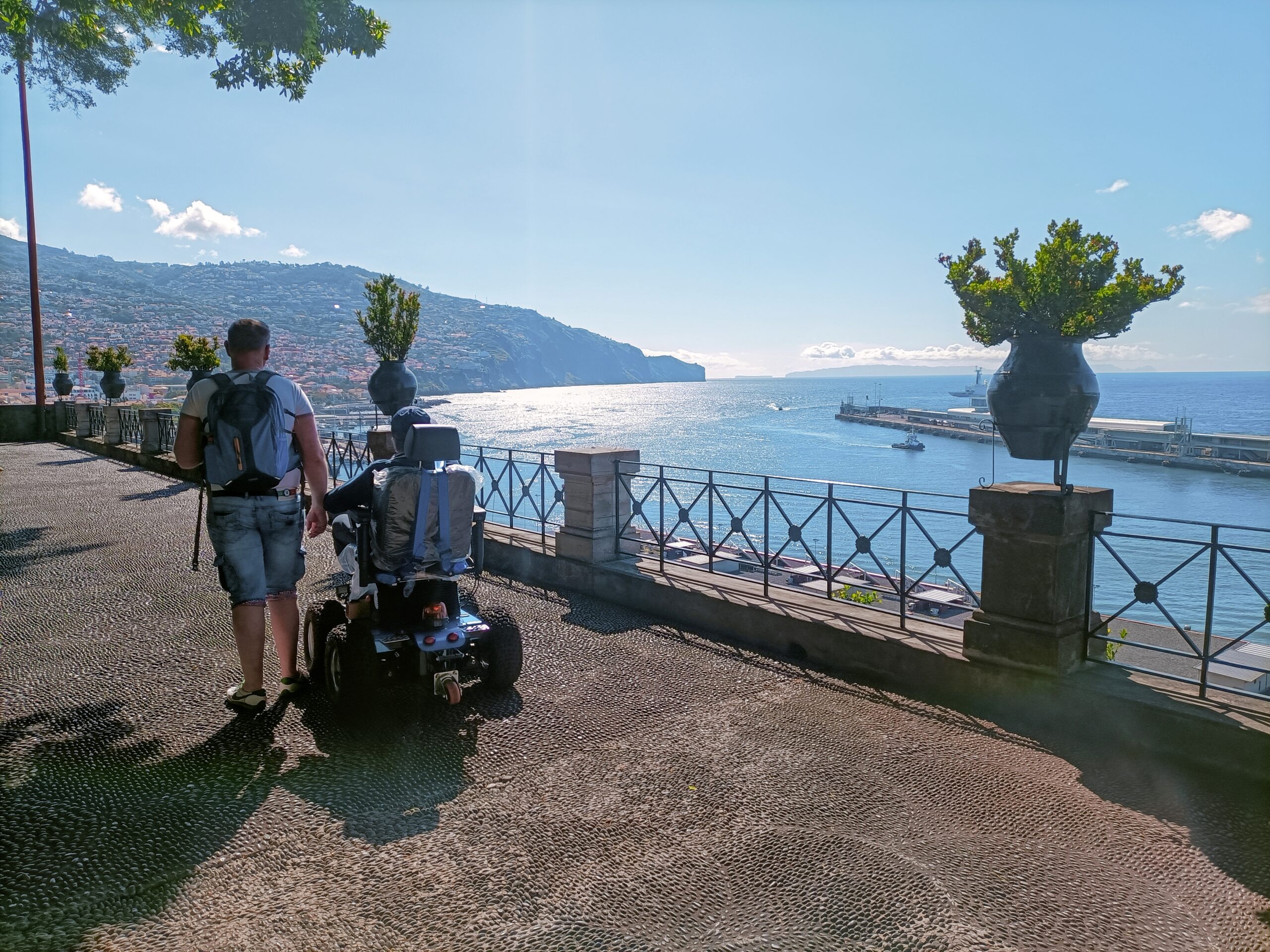
      Using the mobility scooter you can enjoy a beautiful ride, always accompanied by your family.

      The 2.1Km and 1h30-minute levada route, offers people with motor and visual disabilities to enjoy direct contact with nature, unfolding along the levada do Caldeirão Verde.

      This trail unfolds along the esplanade of the Levada do Caldeirão Verde between the Forest Parks of Queimadas and Pico das Pedras, in the municipality of Santana.

      Along the way it is possible to follow a forest spot of transition between the natural forest of Madeira (Laurissilva forest) and the exotic forest (trees introduced by man on this island).

      The sound of water in permanent running, the smell of wet earth, the characteristic humidity of the forest and the heat of the sun when it crosses, awaken all the senses, leading the walker to deep contact with the natural space.

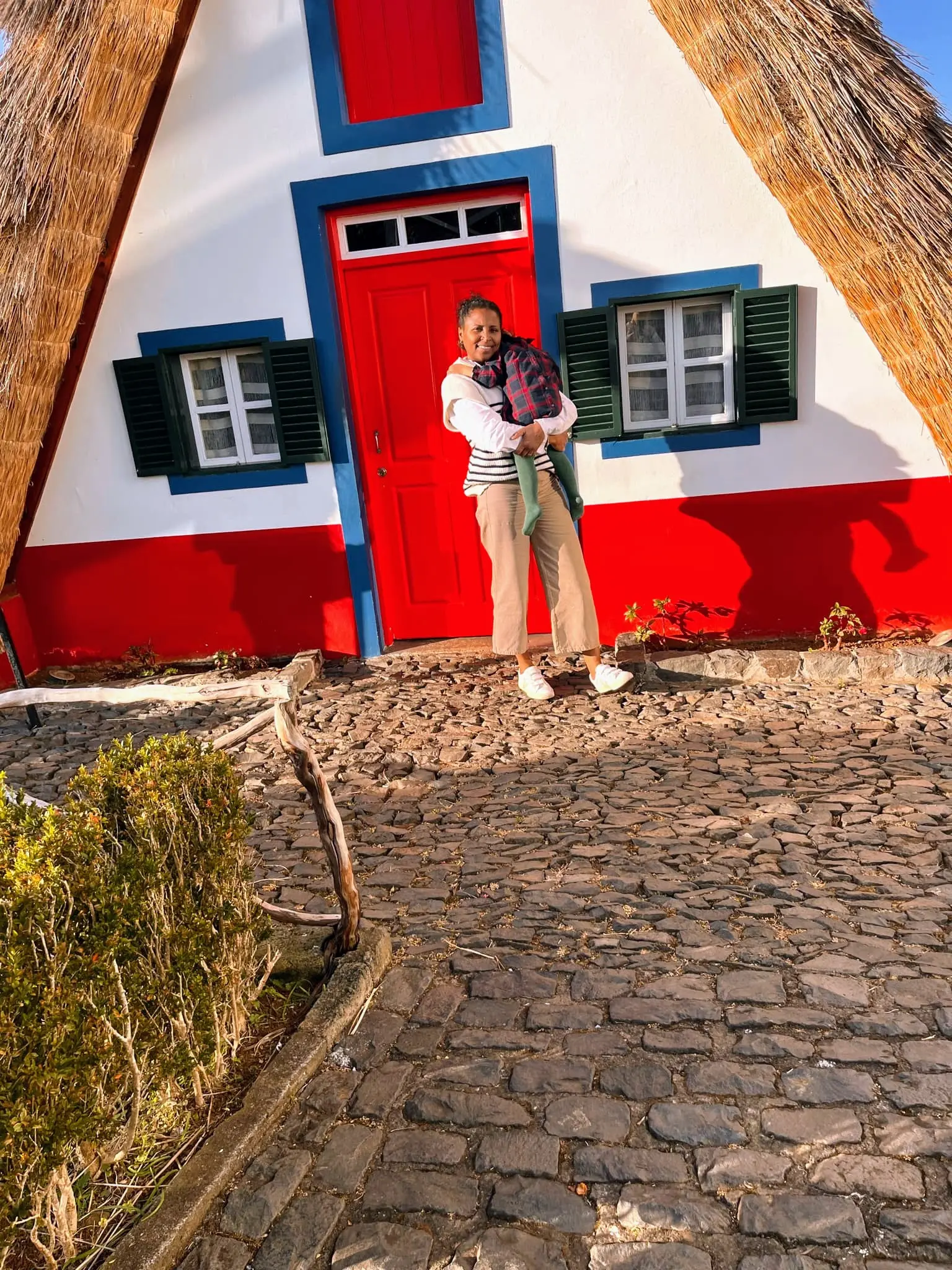
      In the Queimadas Forest Park is the Queimadas Shelter House, a house that maintains the original characteristics of the Typical Houses of Santana, featuring a spectacular thatched roof.123


      ♿ ACCESSIBLE LEVADAS AND GARDENS HALF DAY
      JANUARY, FEBRUARY, MARCH, APRIL, MAY, OCTOBER AND NOVEMBER
      €400
      LOW / MID SEASON
      OTHER HARD TO REACH OR INACCESSIBLE LOCATIONS
      ✅ POSSIBILITY TO PERSONALISE THE TOUR TO YOUR LIKING
      ℹ️ OFF ROAD CHAIR / SCOOTER ALREADY INCLUDED IN THE PRICE
      ➡️ PRIVATE TOUR UP TO 4️⃣ PEOPLE
      ℹ️ POSSIBILITY UP TO 7️⃣ PEOPLE
      ➡️ HALF-DAY TOUR 4 / 5H OF TIME
      ℹ️ EACH EXTRA PERSON FROM 5️⃣ PEOPLE, 60€ P.P. UP TO A MAXIMUM OF 7️⃣ PEOPLE
      ℹ️ EACH EXTRA HOUR OF THE TOUR 75€
      ✅ FLEXIBILITY IN THE TOUR TIME
      ⚠️ ENTRANCE TO THE PLACES TO VISIT IS NOT INCLUDED
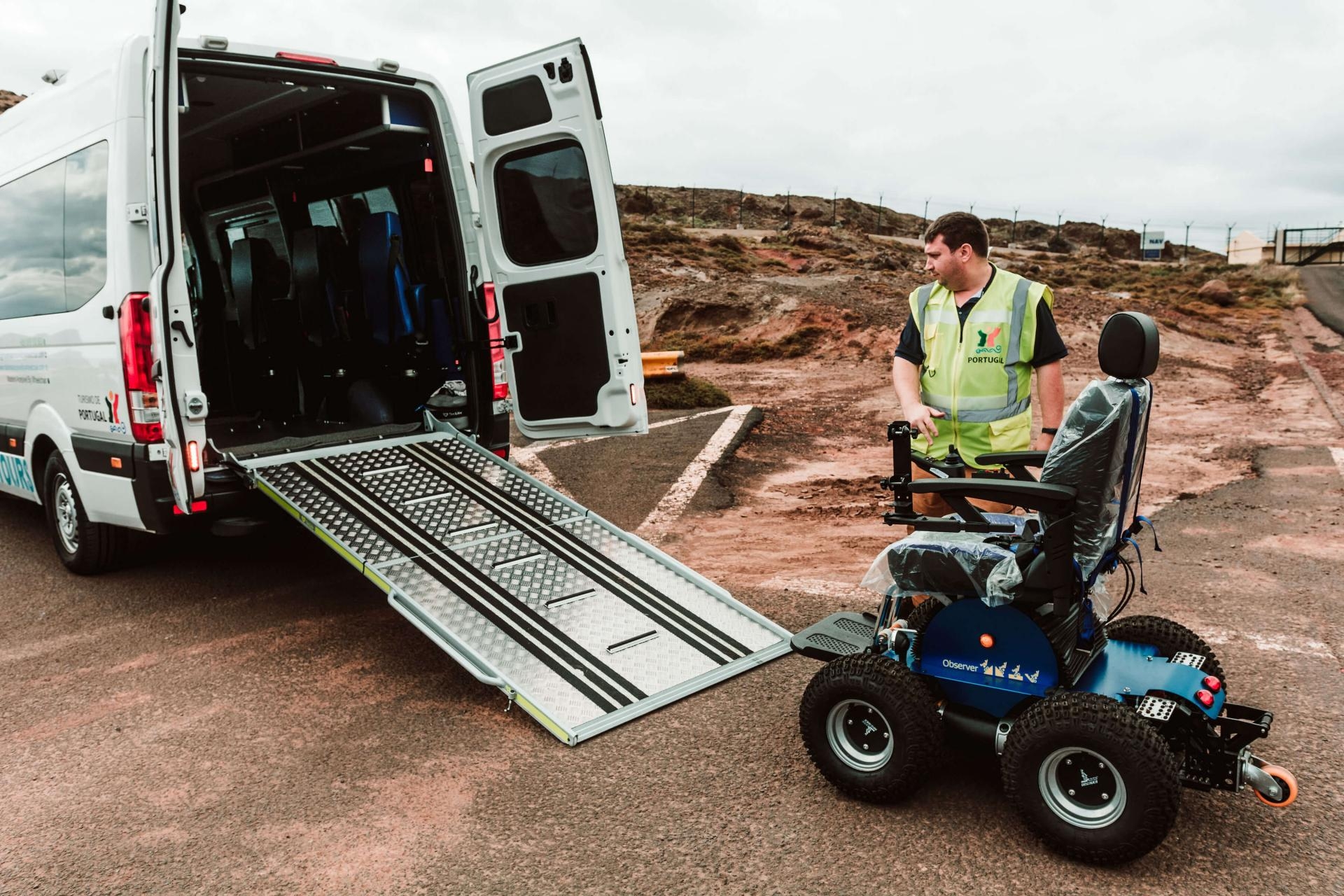
      ⚠️ MANDATORY TO USE MY EQUIPMENT ⚠️
      ℹ️ POSSIBILITY OF DOING IT WITH THE CUSTOMER'S EQUIPMENT
      ℹ️ THE WHOLE TOUR IS DESIGNED FOR ♿
      ℹ️ VAT RATE INCLUDING VAT OF 22%
      BOOK NOW!
      ♿ ACCESSIBLE LEVADAS AND GARDENS HALF DAY
      JUNE, JULY, AUGUST, SEPTEMBER AND DECEMBER
      €450
      HIGH SEASON
      OTHER HARD-TO-REACH OR INACCESSIBLE LOCATIONS
      ✅ POSSIBILITY TO PERSONALISE THE TOUR TO YOUR LIKING
      ℹ️ OFF ROAD CHAIR / SCOOTER ALREADY INCLUDED IN THE PRICE
      ➡️ PRIVATE TOUR UP TO 4️⃣ PEOPLE
      ℹ️ POSSIBILITY UP TO 7️⃣ PEOPLE
      ➡️ HALF-DAY TOUR 4 / 5H OF TIME
      ℹ️ EACH EXTRA PERSON FROM 5️⃣ PEOPLE, 60€ P.P. UP TO A MAXIMUM OF 7️⃣ PEOPLE
      ℹ️ EACH EXTRA HOUR OF THE TOUR 75€
      ✅ FLEXIBILITY IN THE TOUR TIME
      ⚠️ ENTRANCE TO THE PLACES TO VISIT IS NOT INCLUDED
      ⚠️ MANDATORY TO USE MY EQUIPMENT ⚠️
      ℹ️ POSSIBILITY OF DOING IT WITH THE CUSTOMER'S EQUIPMENT
      ℹ️ THE WHOLE TOUR IS DESIGNED FOR ♿
      ℹ️ VAT RATE INCLUDING VAT OF 22%
      BOOK NOW!
      ♿ ACCESSIBLE LEVADAS AND GARDENS FULL DAY
      JANUARY, FEBRUARY, MARCH, APRIL, MAY, OCTOBER AND NOVEMBER
      €500
      LOW / MID SEASON
      OTHER HARD-TO-REACH OR INACCESSIBLE LOCATIONS
      ✅ POSSIBILITY TO PERSONALISE THE TOUR TO YOUR LIKING
      ℹ️ OFF ROAD CHAIR / SCOOTER ALREADY INCLUDED IN THE PRICE
      ➡️ PRIVATE TOUR UP TO 4️⃣ PEOPLE
      ➡️ FULL DAY TOUR 7 / 8H OF TIME
      ♿ POSSIBILITY OF HAVING LUNCH / DINNER IN RESTAURANTS WITH ACCESSIBILITY 🚾♿
      ℹ️ EACH EXTRA PERSON FROM 5️⃣ PEOPLE, 60€ P.P. UP TO A MAXIMUM OF 7️⃣ PEOPLE
      ℹ️ EACH EXTRA HOUR OF THE TOUR 75€
      ✅ FLEXIBILITY IN THE TOUR TIME
      ⚠️ ENTRANCE TO THE PLACES TO VISIT IS NOT INCLUDED
      ⚠️ MANDATORY TO USE MY EQUIPMENT ⚠️
      ℹ️ POSSIBILITY OF DOING IT WITH THE CUSTOMER'S EQUIPMENT
      ℹ️ THE WHOLE TOUR IS DESIGNED FOR ♿
      ℹ️ VAT RATE INCLUDING VAT OF 22%
      BOOK NOW!
      ♿ ACCESSIBLE LEVADAS AND GARDENS FULL DAY
      PRICE VALID IN JUNE, JULY, AUGUST, SEPTEMBER AND DECEMBER
      €550
      HIGH SEASON
      OTHER HARD TO REACH OR INACCESSIBLE LOCATIONS
      ✅ POSSIBILITY TO PERSONALISE THE TOUR TO YOUR LIKING
      ℹ️ OFF ROAD CHAIR / SCOOTER ALREADY INCLUDED IN THE PRICE
      ➡️ PRIVATE TOUR UP TO 4️⃣ PEOPLE
      ➡️ FULL-DAY TOUR 7 / 8H OF TIME
      ♿ POSSIBILITY OF HAVING LUNCH / DINNER IN RESTAURANTS WITH ACCESSIBILITY 🚾♿
      ℹ️ EACH EXTRA PERSON FROM 5️⃣ PEOPLE, 60€ P.P. UP TO A MAXIMUM OF 7️⃣ PEOPLE
      ℹ️ EACH EXTRA HOUR OF THE TOUR 75€
      ✅ FLEXIBILITY IN THE TOUR TIME
      ⚠️ ENTRANCE TO THE PLACES TO VISIT IS NOT INCLUDED
      ⚠️ MANDATORY TO USE MY EQUIPMENT ⚠️
      ℹ️ POSSIBILITY OF DOING IT WITH THE CUSTOMER'S EQUIPMENT
      ℹ️ THE WHOLE TOUR IS DESIGNED FOR ♿
      ℹ️ VAT RATE INCLUDING VAT OF 22%
      BOOK NOW!


       Itineraries:  
      Time:
      • Departure at 9:00 / 9:30
      • Arrival at 14:00 / 14:30
      Itinerary:

      Time:
      • Departure at 9:00 / 9:30
      • Arrival at 18:00 / 18:30
      Itinerary


      * Off road wheelchair included in the price

      Additional options to the tour:
      • Off road wheelchair: €60.00
      • Wheelchair or Scooter: €60.00
      • Guide-interpreter (only available on private tours): €250.00
      • Snack with traditional products for adults: €12.00
      • Snack with traditional products for children: €12.00
      • Snack with traditional products for diabetics: €12.00
      • Seats for children aged 5 to 12: free
      Recommendations:
      • Wear comfortable clothing and footwear
      • Bring waterproof if necessary
      • Bring sunscreen, a few hours of the day, the sun can burn.
      • Bring water/snacks
      • We recommend using our equipment as many of the routes are not prepared for manual chairs or electric chairs.
        • Our equipment is prepared to climb stairs and do all-terrain.
        • We are not responsible if customers’ equipment malfunctions, becomes out of battery, or becomes stuck.
        • If it is necessary to remove the chair from the customer, he will be responsible for the costs of the operation.

      We stop at various places where they sell drinks, snacks, regional items. Customers are not required to consume, or buy, but if they do, they help the regional economy.

      Transportation options:
      • 2 people in manual wheelchair and 4 people seated
      • 1 person in a manual chair and 5 people seated
      • 1 person in electric wheelchair and 4 people seated
      • 1 person in wheelchair for all-terrain and 3 people seated
      Information:
      • It is possible to make this Tour with manual or electric chair and with electric scooter however there are limitations in access to some locations.
      • Not all accessible locations allow the entry of electric chairs or scooters.
      • There may be delays at the start or end of the Tour due to external situations such as traffic and a lot of influx of people.
      • Tours may need to be cancelled or changed due to special conditions such as weather situations or lack of safety conditions.
      • In the case of cancellation we offer the option to rebook the Tour or we will refund the money.


      Religious Tour ⛪

      Religious Tour ⛪

      With this tour you will get to know several churches and places of worship.

      It can be personalised to your taste, but the highlights are the Church of Ribeira Brava, the Convent of São Bernadino.

      This Tour May Have Specific Schedules, Because Not All Places Are Open To The Public.


      ♿ ACCESSIBLE HALF DAY TOUR
      JANUARY, FEBRUARY, MARCH, OCTOBER AND NOVEMBER
      €400
      LOW SEASON
      ✅ POSSIBILITY TO PERSONALISE THE TOUR TO YOUR LIKING
      ➡️ POSSIBILITY OF USING THE CHAIR / SCOOTER OFF ROAD FOR AN EXTRA CHARGE
      ➡️ PRIVATE TOUR FOR UP TO 5️⃣ PERSONS
      ➡️ HALF DAY TOUR 4 / 5H TIME
      🧑‍🦼🧑‍🦽 IT CAN BE DONE WITH THE CUSTOMER'S EQUIPMENT
      ℹ️ EACH EXTRA PERSON FROM 5️⃣ PEOPLE, 60€ P.P. UP TO A MAXIMUM OF 7️⃣ PEOPLE
      ℹ️ EACH EXTRA HOUR OF THE TOUR 75€
      ✅ FLEXIBILITY IN THE TOUR TIME
      ⚠️ ENTRANCE TO THE PLACES TO VISIT IS NOT INCLUDED
      ℹ️ THE WHOLE TOUR IS DESIGNED FOR ♿
      ℹ️ VAT RATE INCLUDING VAT OF 22%
      BOOK NOW!
      ♿ ACCESSIBLE HALF DAY TOUR
      APRIL, MAY AND JUNE
      €450
      MID SEASON
      ✅ POSSIBILITY TO PERSONALISE THE TOUR TO YOUR LIKING
      ➡️ POSSIBILITY OF USING THE CHAIR / SCOOTER OFF ROAD FOR AN EXTRA CHARGE
      ➡️ PRIVATE TOUR FOR UP TO 5️⃣ PERSONS
      ➡️ HALF DAY TOUR 4 / 5H TIME
      🧑‍🦼🧑‍🦽 IT CAN BE DONE WITH THE CUSTOMER'S EQUIPMENT
      ℹ️ EACH EXTRA PERSON FROM 5️⃣ PEOPLE, 60€ P.P. UP TO A MAXIMUM OF 7️⃣ PEOPLE
      ℹ️ EACH EXTRA HOUR OF THE TOUR 75€
      ✅ FLEXIBILITY IN THE TOUR TIME
      ⚠️ ENTRANCE TO THE PLACES TO VISIT IS NOT INCLUDED
      ℹ️ THE WHOLE TOUR IS DESIGNED FOR ♿
      ℹ️ VAT RATE INCLUDING VAT OF 22%
      BOOK NOW!
      ♿ ACCESSIBLE HALF DAY TOUR
      JULY, AUGUST, SEPTEMBER AND DECEMBER
      €500
      HIGH SEASON
      ✅ POSSIBILITY TO PERSONALISE THE TOUR TO YOUR LIKING
      ➡️ POSSIBILITY OF USING THE CHAIR / SCOOTER OFF ROAD FOR AN EXTRA CHARGE
      ➡️ PRIVATE TOUR FOR UP TO 5️⃣ PERSONS
      ➡️ HALF DAY TOUR 4 / 5H TIME
      🧑‍🦼🧑‍🦽 IT CAN BE DONE WITH THE CUSTOMER'S EQUIPMENT
      ℹ️ EACH EXTRA PERSON FROM 5️⃣ PEOPLE, 60€ P.P. UP TO A MAXIMUM OF 7️⃣ PEOPLE
      ℹ️ EACH EXTRA HOUR OF THE TOUR 75€
      ✅ FLEXIBILITY IN THE TOUR TIME
      ⚠️ ENTRANCE TO THE PLACES TO VISIT IS NOT INCLUDED
      ℹ️ THE WHOLE TOUR IS DESIGNED FOR ♿
      ℹ️ VAT RATE INCLUDING VAT OF 22%
      BOOK NOW!


      ♿ FULL DAY ACCESSIBLE TOUR
      JANUARY, FEBRUARY, MARCH, OCTOBER AND NOVEMBER
      €500
      LOW SEASON
      ✅ POSSIBILITY TO PERSONALISE THE TOUR TO YOUR LIKING
      ➡️ POSSIBILITY OF USING THE CHAIR / SCOOTER OFF ROAD FOR AN EXTRA CHARGE
      ➡️ PRIVATE TOUR UP TO 5️⃣ PEOPLE
      ➡️ FULL DAY TOUR 7 / 8 HOURS LONG
      🧑‍🦼🧑‍🦽 CAN BE DONE WITH THE CUSTOMER'S EQUIPMENT
      ♿ POSSIBILITY OF HAVING LUNCH / DINNER IN RESTAURANTS WITH ACCESSIBILITY 🚾♿
      ℹ️ EACH EXTRA PERSON FROM 5️⃣ PEOPLE, 60€ P.P. UP TO A MAXIMUM OF 7️⃣ PEOPLE
      ℹ️ EACH EXTRA HOUR OF THE TOUR 75€
      ✅ FLEXIBILITY IN THE TOUR TIME
      ⚠️ ENTRANCE TO THE PLACES TO VISIT IS NOT INCLUDED
      ℹ️ THE WHOLE TOUR IS DESIGNED FOR ♿
      ℹ️ VAT RATE INCLUDING VAT OF 22%
      BOOK NOW!
      ♿ FULL DAY ACCESSIBLE TOUR
      APRIL, MAY AND JUNE
      €550
      MID SEASON
      ✅ POSSIBILITY TO PERSONALISE THE TOUR TO YOUR LIKING
      ➡️ POSSIBILITY OF USING THE CHAIR / SCOOTER OFF ROAD FOR AN EXTRA CHARGE
      ➡️ PRIVATE TOUR UP TO 5️⃣ PEOPLE
      ➡️ FULL DAY TOUR 7 / 8 HOURS LONG
      🧑‍🦼🧑‍🦽 CAN BE DONE WITH THE CUSTOMER'S EQUIPMENT
      ♿ POSSIBILITY OF HAVING LUNCH / DINNER IN RESTAURANTS WITH ACCESSIBILITY 🚾♿
      ℹ️ EACH EXTRA PERSON FROM 5️⃣ PEOPLE, 60€ P.P. UP TO A MAXIMUM OF 7️⃣ PEOPLE
      ℹ️ EACH EXTRA HOUR OF THE TOUR 75€
      ✅ FLEXIBILITY IN THE TOUR TIME
      ⚠️ ENTRANCE TO THE PLACES TO VISIT IS NOT INCLUDED
      ℹ️ THE WHOLE TOUR IS DESIGNED FOR ♿
      ℹ️ VAT RATE INCLUDING VAT OF 22%
      BOOK NOW!
      ♿ FULL DAY ACCESSIBLE TOUR
      JULY, AUGUST, SEPTEMBER AND DECEMBER
      €600
      HIGH SEASON
      ✅ POSSIBILITY TO PERSONALISE THE TOUR TO YOUR LIKING
      ➡️ POSSIBILITY OF USING THE CHAIR / SCOOTER OFF ROAD FOR AN EXTRA CHARGE
      ➡️ PRIVATE TOUR UP TO 5️⃣ PEOPLE
      ➡️ FULL DAY TOUR 7 / 8 HOURS LONG
      🧑‍🦼🧑‍🦽 CAN BE DONE WITH THE CUSTOMER'S EQUIPMENT
      ♿ POSSIBILITY OF HAVING LUNCH / DINNER IN RESTAURANTS WITH ACCESSIBILITY 🚾♿
      ℹ️ EACH EXTRA PERSON FROM 5️⃣ PEOPLE, 60€ P.P. UP TO A MAXIMUM OF 7️⃣ PEOPLE
      ℹ️ EACH EXTRA HOUR OF THE TOUR 75€
      ✅ FLEXIBILITY IN THE TOUR TIME
      ⚠️ ENTRANCE TO THE PLACES TO VISIT IS NOT INCLUDED
      ℹ️ THE WHOLE TOUR IS DESIGNED FOR ♿
      ℹ️ VAT RATE INCLUDING VAT OF 22%
      BOOK NOW!


      VAT included at the legal rate in force.


        Itineraries:  

      Time:
      • Departure at 9:00 / 9:30
      • Arrival at 14:00 / 14:30
      Itinerary:
      • Church Of Ribeira Brava.

        • ♿ 🟠- Accessibility : Average ( Access to the church without problems, No Access to Religious Artefacts, Surrounding Area With Problems On The Floor ).
      • Church Of Câmara De Lobos.
        • ♿ 🟠- Accessibility : Average ( Access to the church with a step, access from the road to the church, complicated, steep descent / ascent, surrounding area with problems on the ground ).
      • Church of Curral Das Freiras.
        • ♿ 🟠- Accessibility : Medium ( Access to the Church With A Step, Access From The Road To The Church, Complicated, Steep Descent / Ascent, Surrounding Area With Problems On The Ground ). 
      • Return


      Additional options to the tour:
      • Off road wheelchair: €60.00
      • Wheelchair or Scooter: €60.00
      • Guide-interpreter (only available on private tours): €250.00
      • Snack with traditional products for adults: €12.00
      • Snack with traditional products for children: €12.00
      • Snack with traditional products for diabetics: €12.00
      • Seats for children aged 5 to 12: free
      Recommendations:
      • Wear comfortable clothing and footwear
      • Bring waterproof if necessary
      • Bring sunscreen, a few hours of the day, the sun can burn.
      • Bring water/snacks
      • We recommend using our equipment as many of the routes are not prepared for manual chairs or electric chairs.
        • Our equipment is prepared to climb stairs and do all-terrain.
        • We are not responsible if customers’ equipment malfunctions, becomes out of battery, or becomes stuck.
        • If it is necessary to remove the chair from the customer, he will be responsible for the costs of the operation.

      We stop at various places where they sell drinks, snacks, regional items. Customers are not required to consume, or buy, but if they do, they help the regional economy.

      Transportation options:
      • 2 people in manual wheelchair and 4 people seated
      • 1 person in a manual chair and 5 people seated
      • 1 person in electric wheelchair and 4 people seated
      • 1 person in wheelchair for all-terrain and 3 people seated
      Information:
      • It is possible to make this Tour with manual or electric chair and with electric scooter however there are limitations in access to some locations.
      • Not all accessible locations allow the entry of electric chairs or scooters.
      • There may be delays at the start or end of the Tour due to external situations such as traffic and a lot of influx of people.
      • Tours may need to be cancelled or changed due to special conditions such as weather situations or lack of safety conditions.
      • In the case of cancellation we offer the option to rebook the Tour or we will refund the money.


      Parish Church Of Ribeira Brava ( São Bento )

      The church of Matriz da Ribeira Brava is one of the places that we can visit, since its access is easy.

      The place where religious artefacts are displayed is not accessible.

      It is a building from the 16th century, one of the oldest rural temples in the Diocese of Funchal and one of the most visited on the island, classified as a Property of Public Interest.

      Originally from a small chapel dedicated to São Bento, from the second or third quarter of the 15th century – the parish was created around 1440, although not in the strict sense of the term, which, according to some historians, only happened around 1440. 1460 – the parish church of Ribeira Brava, parish headquarters and former collegiate church, is located in the center of the city, having undergone several interventions over time.

      This church has Manueline, Mannerist and Baroque characteristics and houses a rich collection of painting, sculpture, goldwork and gilded carving from the 15th century – when the altarpiece of São Bento was made in the workshops of Francisco Henriques, in Évora – from the 16th century (retable of the Chapel of the Blessed Sacrament, the original of which is on display in Arte Sacra) and from the 17th century.

      It is therefore one of the most important collections of heritage in the region, and its treasure has even been exhibited at the Royal Museum of Fine Arts in Brussels.

      António Marinho Matos says about this temple in his work dedicated to this parish that it is “a majestic building in sight and spirit”.

      Not so much from the outside, because the church is currently surrounded by large constructions that overshadow its grandeur.

      But inside it is edifying and majestic and, despite having been transformed over the last few centuries, it is today one of the most interesting heritage and artistic ensembles on the island of Madeira”.

      He continues: “Many people enter this Temple and are amazed by its beauty.

      Witness to this human and Christian movement is the multitude of faithful, believers or simple visitors who visit its interior every day”.

      In fact, among other interesting features, this church has magnificent chandeliers; a collection of silverware from the 16th and 17th centuries; a monumental image of Our Lady of the Rosary, of Flemish production, dating from around 1520; and panels of Flemish origin representing the Virgin and Child, from the beginning of the 16th century, of Nossa Senhora, São Bento and São Bernardo, attributed to Francisco Henriques, proof of the splendor of the sugar industry.

      The chancel is dominated by a magnificent altarpiece in gilded and polychrome woodwork from the late 17th century.
      The wealth of this church was, and is, such that the former parish priest, Father Gil, gathered objects that were kept in one of the annexes of the parish, which gave rise to the Museu da Igreja Matriz with a collection of silverware from the 16th century.

      The small museum has a guide who can help you better understand the collection on display and admission is free.
      The Igreja Matriz da Ribeira Brava is one of the places that we can visit, since its access is easy.

      This chapel underwent several changes and repairs until the current parish church was built.

      It is one of the oldest rural temples in this diocese, having undergone several additions and modifications, but its first construction must not be later than the second half of the 16th century.

      However, an analysis of the existing church today leads to the conclusion that it was a small temple with an interesting pre-Manueline portal, in principle, today placed as the entrance door to the chapel of the Blessed Sacrament.

      It is a portal with three Gothic archivolts, equipped with historic capitals, virtually unparalleled on the island. On the other hand, the work on the baptismal font and the pulpit in the main church can be attributed to this small Manueline school, and the inscription on the font indicates that it was a gift from King Manuel I.

      Having S. Bento as patron saint, the church has a portal with three Gothic archivolts, with historical capitals, practically unmatched on the island.

      Its construction dates back to the 16th century, and it was modified over the centuries until it reached the current building.

      Inside, the church has three main altars: the main altar and two side altars. The main altar has a magnificent gilded and polychrome altarpiece from the late 17th century, attributed to the workshop of Manuel Pereira de Almeida, who was also responsible for the other two altars.

      In the interesting group of images, you can also find a monumental image of Our Lady of the Rosary, of Flemish production, perhaps from the Antwerp workshops, dating from around 1520.

      The parish church also has a magnificent tablet attributed to the Flemish painter, Francisco Henriques, representing Our Lady. S. Bento and S. Bernardo.

      Inside, we can find Manueline works such as the capitals, the pulpit of the Matriz and the baptismal font (gift of King Manuel I), as well as a small nucleus with a collection of 66 pieces, in which there are silver candlesticks, crowns, sticks, crosses, chalices, cauldrons and other silver objects dating from the 16th and 17th centuries.

      A Mandatory stop.


      Accessibility

      ♿ 🟠- Accessibility : Average ( Access to the church without problems, No access to religious artefacts, Surrounding area with problems on the floor ).


      « Back

      Parish Church Of Curral Das Freiras

      The History of the Church of Curral Das Freiras:

      The existence, since the middle of the 17th century, of a chapel in Curral das Freiras, occasionally equipped with a permanent chaplain, “meant that its population benefited from spiritual assistance and thus got used to, during those periods, some autonomy in relation to the parish of Santo António”.

      However, with an increase in population, the importance of the parish verified throughout the 18th century and taking into account the distance from Santo António, the population began to express the will to transform Curral das Freiras into an autonomous parish.

      This is how, on 11 May 1782, the Ministry of Royal Treasury, by letter from Alberto Rodrigues Lage, informed the bishop of Funchal that “the residents of Fajã dos Cardos and Ribeira das Freiras in the parish of Santo António, five leagues from the parish, having no spiritual pasture, sacraments and mass, they suffered with this great vexation, for which reason, they had requested and asked for the erection of a new parish”.

      In that same year, most likely taking into account this request, Curral das Freiras began to have a parish service almost independent of the parish of Santo António.

      However, the chapel of Santo António was degraded and did not offer conditions to serve as headquarters for the future parish, which is why, shortly afterwards, the construction of a new temple began.

      On July 24, 1787, “by deed drawn up by the Notary Public, António Rodrigues da Câmara Costa, the monastery of Santa Clara do Funchal donates the necessary land for the construction of a new church, the parish residence and its passage .

      Before Abbess Paula Luísa de Santa Teresa and a few other Sisters, Fr. Luís da Conceição, Provincial Custos, and a representative of the Diocese, Father Nicolau Francisco de Carvalho Maysingh”, a free donation license was signed, from the Convent of Santa Clara in favor of the Diocese: “By this instrument the Lordships grant license and provide the Hon. and Rev.ma Mitra of the portion of land, as necessary and necessary for the construction of the said church and the chaplain’s house of the said Corral, according to his budget, in the place where it is most useful and next to the Reverend Chaplain’s house, drop six bushels of land for their pass, this pass being a donation that they make to the Reverend Chaplain for the benefit of the residents of the same place, with only the Reverend Chaplains of the same place being obligatory to contribute each year, on Santa Clara Day, on the twelfth of August, a chicken for the six bushels of land from the aforementioned pass for recognition of the lordship of the same referred pass and future service in the knowledge of the benefit that the same monastery did to the said Reverend Chaplain”.

      When the parish of Curral das Freiras was created, on March 17, 1790, under the invocation of Nossa Senhora do Livramento, the parish seat was installed in the church whose works had begun six years ago.

      Although the date on which these works ended is not known, the year 1793 constitutes a reference, since in that year, as attested by the presence of an inscription on the cornice of the door, the church was dedicated, by the Queen D. Maria I, the Queen of Heaven and Earth, Virgin of Livramento.

      Over the years, both the church and the rectory have been subject to restoration works, an example being the replacement of its tabernacle which took place around 1850.

      In 1878, fearing being buried in the ruins of the parish house, the then parish priest of Curral das Freiras, probably José Teixeira Dória, had the parish house repaired at his own expense.

      Between 1916 and 1918, “the interior of the parish church of Nossa Senhora do Livramento underwent major repairs.

      Indeed, in November 1916, the new side altars were completed, which the respective confraternities had built in honor of Senhora do Livramento and the Sacred Heart of Jesus”.

      The carving work, in the Renaissance style, “was entrusted to Manuel Inocêncio de Sousa and the painting to Mr. José Zeferino, popularly known as Cirilo”.

      In March 1917, the carver Manuel Inocêncio de Sousa was executing, in his atelier on Rua Câmara Pestana, a high altar in Corinthian style for the church of Curral das Freiras.

      In August 1938, the churchyard would be almost paved.

      In 1952, with Father Alfredo Aires de Freitas as its parish priest, it was his intention to continue carrying out some restoration works, which he had begun the previous year.

      In fact, “in 1951, the year that the parish had taken possession of, with the aim of satisfying the main aspiration of the people, it had acquired an artistic altar destined to Santo Antão, which was placed at the bottom of the new part of the church, ordered to be built by the Father Sardinha, his predecessor.

      Its author was a master carver named Pimenta, born in Santo António, the work being painted by Alfredo Bernes”.

      At the time, he was restoring the chancel of the church, “a work that would involve painting both the ceiling and the altar, renovating the stonework of the two side windows, the altar steps, the door that led to the sacristy and the arch of the cruise”.

      A Mandatory stop.


      Accessibility

      ♿ 🟠- Accessibility : Average ( Access To The Church With A Step, Access From The Road To The Church, Complicated, Steep Descent / Ascent, Surrounding Area With Problems On The Ground ).


      « Back

      Convent of San Bernardino

      HISTORY OF THE CONVENT OF SAN BERNARDINO

      The presence of the Franciscans in Madeira is intertwined with the discovery and settlement of the island since 1419/20, by João Gonçalves Zarco.

      Chroniclers point out that the first caravels that landed in Madeira came with two Franciscans, who sprinkled the air and land and celebrated the first mass in Machico, on 2 July 1420.

      Initially they had no stable residence.

      The foundation of the first convent dates back to 1440, in São João da Ribeira, on the outskirts of the city of Funchal.

      In 1473 they founded the convent of São Francisco, in the city, in order to facilitate the pastoral care of the population.

      It was a novitiate house, center for philosophical and theological studies and headquarters of the Custody of São Tiago Menor, established in 1702, bringing together the five existing convents in Madeira.

      The Franciscans provided religious assistance in the first chapels erected in the city and surroundings, also assuming the pastoral care of the first parishes that were created, from 1430 onwards, such as Santa Maria Maior, in Funchal, Câmara de Lobos and Ponta do Sol.

      The convent of São Bernardino was founded in 1459/60, by Fr. Gil de Carvalho in Câmara de Lobos.

      It received this designation under the influence of the Observance movement that had in São Bernardino de Sena, canonized in 1450, one of the most notable defenders.

      For twenty years it was a modest hermitage inhabited by a small number of friars.

      After an alluviation, it was rebuilt in 1480, by Fr. Jorge de Sousa, and the convent now houses around ten friars.

      Five years later, Fr. Pedro da Guarda, having lived in this convent for twenty years, where he served in humble trades, namely as a cook.

      He died on July 27, 1505, with a reputation for holiness.

      According to the Order’s chroniclers, he was notable for his spirit of prayer, penance, the gift of prophecy, poverty and humility, and also the gift of restoring peace among those who had fallen apart.

      On January 28, 1597, the relics of Fr. Pedro da Guarda for the conventual church, by the Commissioner of the Order in Madeira, Fr. Ambrósio de Jesus, and by the Bishop of Funchal, D. Luís Figueiredo de Lemos, accompanied by the Rector of the Jesuits and other “qualified persons”.

      Public veneration begins, with ecclesiastical approval.

      On this date, 600 miracles were authenticated, attributed to the “Holy Servant of God”, for his canonization process.

      Later, in 1619, the tomb of Fr. Pedro, by order of the Provincial, Fr. Jerónimo da Mãe de Deus, three relics being removed for veneration by the faithful in the other Franciscan convents on the island.

      In 1620, a new process of Fr. Pedro. Others followed, but without a favorable conclusion, for various reasons.

      According to D.Fr. António Montes, there were eleven processes, only two of which reached Rome.

      In 1667, the erect chapel was built over the tomb of Fr. Pedro, collecting the remaining bones in a stone chest.

      Subsequent construction of two other chapels: in the kitchen and outside, at the top of the stairs that give access to the cave where he prayed (“public chapel”), being the only one that has survived until the present day.

      In 1705, Fr. Fernando da Soledade, in the Seraphic History, refers to the profusion of miracles, through the application of earth from the grave, as “salutific earth and universal remedy for all evils”.

      He also states that “the people of that island placed his image in all the churches, worshiping him, as the canonized saints have”.

      On the 9th of October 1803, there was a large alluvium that destroyed virtually all of the buildings between the church and the stream.

      The fence, the cloister, the De Profundis room, the refectory, the cellar and the bedroom were lost, including the Chapel of the Servant of God in the kitchen.

      Afterwards, the convent was reconstructed, upstream from the church, giving it its current appearance. After the extinction of the Religious Orders, the following year, on June 2, 1835, Cón. António Alfredo Braga, Vicar Capitular of the Bishopric of Funchal, attached to Freemasonry, ordered the destruction, in his presence, of all signs of worship of the Servant of God – his images and relics – with the pretext of extinguishing superstition and complying with canonical provisions .

      He also sent a circular letter to all parish priests, asking that it be read for eight consecutive Sundays, having also threatened to suspend any and all parish priests who, in any way, promoted the cult of Fr. Pedro da Guarda.

      On the 6th of July 1898, Manuel Joaquim Lopes, a devotee of the Servant of God – who had bought the convent building from the State in 1872, opening its doors to pilgrims – sold it, for a symbolic value, to the Diocese of Funchal, in the person of D. Manuel Agostinho Barreto.

      On October 12, 1916, Sr. Mary Wilson de S. Francisco, founder of the Franciscan Sisters of Nossa Senhora das Vitórias, with the intention of founding the pre-seminar, at the request of D. António Pereira Ribeiro.

      He died in the convent, with a reputation for holiness, on 18 October 1916. In 1926, the convent church was blessed.

      The restoration works were guided by Fr. João Joaquim de Carvalho from 1924 to 1928.

      São Bernardino was the main house of the Congregation until 1928, when Quinta das Rosas was acquired.

      The Seminar closed in 1931, with the Victorian Sisters remaining in São Bernardino, directing a school until 1958. Finally, in 1961, by decree of D. David de Sousa, Bishop of Funchal, the former Convent of São Bernardino became seat of the new parish of Santa Cecília.

      At the end of the 20th century, the convent ceased to function as the parish headquarters, with the construction of the new parish church, whose definitive facilities were inaugurated in 2011.

      Since that time, the degradation and (almost) abandonment of the convent has increased.

      After the mobilization of the Diocese of Funchal and the Franciscan Order and with the decisive support of the European Union, the Regional Government and the Municipality of Câmara de Lobos, restoration and requalification works were carried out, inaugurated on March 3, 2015.

      São Bernardino is considered the first sanctuary of regional dimension, where pilgrims and pilgrims from all over the island and even the mainland flock.

      As in Monte and Ponta Delgada, it preserves the kitchen and the home of the pilgrims.

      With a school and parish headquarters operating there, many generations of Madeirans maintain ties of deep spiritual affinity with this Franciscan convent, which has just been restored.

      The complete restoration of the Convent of São Bernardino allowed the return of the Franciscan community, the opening to the public of a valuable heritage of historical and spiritual interest, projecting, in the near future, the installation of a museum nucleus of Franciscan History in Madeira and the reactivation of the Cause of Canonization of the so-called “Holy Servant of God”, Br. Pedro da Guarda.

      Fr. Nélio Mendonça, ofm.

      An obligatory stopping place.


      Accessibility

      ♿ 🟢 Accessibility: Easy ( Access Depends On A Lift )


      « Back

      Main Mother Church Of Ponta Do Sol ( Our Lady Of Light )

      The Mother Church of Ponta Do Sol, is possible to visit.
      But it is not wheelchair accessible, because of the many steps.

      As we enter the church, we are taken by its beauty. The church is in Manueline style, with a single nave of longitudinal plan and a rectangular chancel.

      Inside, there is a small chapel dedicated to Our Lady of Patronage, built by Rodrigues Eanes, the Lame, in his will of 1486, one of the first settlers of the place.

      The walls of the church are covered with tiles and the gilded wood carved altarpiece enchants us. The organ has been impeccably restored.

      The Hispano-Arabic ceiling is a work of art in its own right, while the green ceramic baptismal font in the Mudejar style was given by King Manuel I.

      The longitudinal plan consists of a single nave and rectangular chancel, a square bell tower attached to the S of the frontispiece, a baptistery, a chapel of the Blessed Sacrament, a chapel of Our Lady of Patronage and a sacristy attached to the S, and a chapel of the Sacred Heart of Jesus attached to the N. of the frontispiece.

      Articulated volumes with differentiated roofs with one water in the baptistery, two in the church and chapel of the Blessed Sacrament, three water in the chapel of Our Lady of Patronage and chapel of the Sacred Heart of Jesus, four in the sacristy.

      Frontispiece orientated to the west.

      Ended in a gable, with a portal with a full arch framed and architraved, surmounted by a stone window; bell tower with a stone wedge, a bell on each side and a rounded finish and a frame where a clock is inscribed; quadrangular corbelled roof covered in tiles topped by a weather vane.
      INSIDE, the nave is covered with a row of recent tiles; the high choir has a wavy profile and is supported by a wooden wind guard topped by a stained glass window.

      On the Gospel side, there is a door in local stonework giving access to the churchyard, a quadrangular pulpit in painted wood on a gilded corbel, a baldachin also in painted wood with the symbol of the Holy Spirit and topped with a fleur-de-lis, a frame with floral motifs; chapel of the Sacred Heart of Jesus with a round arch surmounted by a curved pediment, all in escaiola, cross vaulted ceiling supported by a corbel and decorated closing stone; ashlar floor, wooden altarpiece in greyish blue and gilt carving.

      On the Epistle side, marble font for holy water, access door to choir and tower; baptistery with arch in black stonework from the region, wooden door with grille, decorated ceramic baptismal font; chapel of the Blessed Sacrament with a broken arch over two colonnades between which is a decoration of plant elements, the frieze of the pediment depicting a biblical scene, side walls with six paintings, decorated barrel vault ceiling, gilded white and red carved altarpiece, with an altar frontal imitating brocade, gilded tabernacle with baldachin topped by a Latin cross; chapel of Our Lady of Patronage or Cocho with broken arch over archivolts in painted red stonework, side altar dedicated to Our Lady of Patronage.

      Two altarpieces in gilt and grey-blue carving are arranged at an angle on the sides.

      A round triumphal arch surmounted by a cartouche inscribed with the coat of arms of Portugal.

      The chancel has walls covered with carpet tiles, an armchair, a gilded and grey-blue carved altarpiece with five oil paintings, topped by a baldachin; the ceiling has a painted carving. In the sacristy, a wooden chest with a backrest, panels depicting saints and Christ on the Cross in the centre, an ashlar font, a slab floor and two wall cupboards.

      An obligatory stopping place.

      Information taken from:

      http://www.monumentos.gov.pt/Site/APP_PagesUser/SIPA.aspx?id=6211


      Accessibility

      ♿🔴- Accessibility: Difficult: No Wheelchair Access. 

      Can Be Visited If Client Can Take a Few Steps and Climb Steps.


      « Back

      Monte Palace Madeira, Tropical Garden Tour

      Monte Palace Botanical Garden

        * Off Road Wheelchair Included In The Price


            This garden is one of the most visited in Madeira Island.

            But due to its horography, its interior is not easily accessible.

            It is possible to visit this garden using an off road wheelchair for your comfort. 

            Monte Palace Madeira’s garden covers an area of 70,000 m2 and contains a rich collection of exotic plants from the four corners of the world, swans and ducks that inhabit the central pond, peacocks and chickens that roam freely in the garden.

            In the garden’s central pond, visitors can also admire the beauty and majesty of the swans.

            As a natural environment, these delightful animals prefer relatively shallow ponds and lakes.

            Although they can now be admired in gardens around the world, black swans are native to Australia, Tasmania and New Zealand, and wild (white) swans are native to Iceland and Scandinavia.

            The Monte Palace Madeira Museum is an exhibition space with three galleries.

            Two are splendid with sculptures, and the other houses a collection of minerals from the four corners of the world.

            The exhibition entitled “African Passion” presents part of Zimbabwe’s contemporary sculpture collection from 1966 to 1969.

            More than 1,000 sculptures are displayed on two floors of the museum, one corresponding to an individual presentation by the artists and the other to recreate the environment in which these pieces were originally created and displayed.

            “Mother Nature’s Secret” is part of a collection of minerals originating mainly from Brazil, Portugal, South Africa, Zambia, Peru, Argentina and North America.

            In this exhibition, there are about 700 samples arranged in cavities that try to simulate the mineral-forming environment in the depths of our planet.

            Others are “suspended”, giving the sensation of planetary space where rock masses gravitate freely.

            There is also a gem exhibition gallery with special emphasis on diamonds.

            One of the most interesting features of the garden of Monte Palace Madeira is the existence of a large set of tile panels located along the walkways.

            Acquired by José Berardo under the guidance of specialist Manuel Leitão, this collection is considered one of the largest and richest in the country after the National Tile Museum, which brings together Hispano-Moorish examples from the 17th and 19th centuries. XV and XVI centuries to contemporary panels.

            The examples on display represent decorations used at different times.

            They come from palaces, churches, chapels, residences in various parts of Portugal and portray religious, social and cultural events that were remarkable and unavoidable references in our history at that time.


            ♿ ACCESSIBLE LEVADAS AND GARDENS HALF DAY
            JANUARY, FEBRUARY, MARCH, APRIL, MAY, OCTOBER AND NOVEMBER
            €400
            LOW / MID SEASON
            OTHER HARD TO REACH OR INACCESSIBLE LOCATIONS
            ✅ POSSIBILITY TO PERSONALISE THE TOUR TO YOUR LIKING
            ℹ️ OFF ROAD CHAIR / SCOOTER ALREADY INCLUDED IN THE PRICE
            ➡️ PRIVATE TOUR UP TO 4️⃣ PEOPLE
            ℹ️ POSSIBILITY UP TO 7️⃣ PEOPLE
            ➡️ HALF-DAY TOUR 4 / 5H OF TIME
            ℹ️ EACH EXTRA PERSON FROM 5️⃣ PEOPLE, 60€ P.P. UP TO A MAXIMUM OF 7️⃣ PEOPLE
            ℹ️ EACH EXTRA HOUR OF THE TOUR 75€
            ✅ FLEXIBILITY IN THE TOUR TIME
            ⚠️ ENTRANCE TO THE PLACES TO VISIT IS NOT INCLUDED
            ⚠️ MANDATORY TO USE MY EQUIPMENT ⚠️
            ℹ️ POSSIBILITY OF DOING IT WITH THE CUSTOMER'S EQUIPMENT
            ℹ️ THE WHOLE TOUR IS DESIGNED FOR ♿
            ℹ️ VAT RATE INCLUDING VAT OF 22%
            BOOK NOW!
            ♿ ACCESSIBLE LEVADAS AND GARDENS HALF DAY
            JUNE, JULY, AUGUST, SEPTEMBER AND DECEMBER
            €450
            HIGH SEASON
            OTHER HARD-TO-REACH OR INACCESSIBLE LOCATIONS
            ✅ POSSIBILITY TO PERSONALISE THE TOUR TO YOUR LIKING
            ℹ️ OFF ROAD CHAIR / SCOOTER ALREADY INCLUDED IN THE PRICE
            ➡️ PRIVATE TOUR UP TO 4️⃣ PEOPLE
            ℹ️ POSSIBILITY UP TO 7️⃣ PEOPLE
            ➡️ HALF-DAY TOUR 4 / 5H OF TIME
            ℹ️ EACH EXTRA PERSON FROM 5️⃣ PEOPLE, 60€ P.P. UP TO A MAXIMUM OF 7️⃣ PEOPLE
            ℹ️ EACH EXTRA HOUR OF THE TOUR 75€
            ✅ FLEXIBILITY IN THE TOUR TIME
            ⚠️ ENTRANCE TO THE PLACES TO VISIT IS NOT INCLUDED
            ⚠️ MANDATORY TO USE MY EQUIPMENT ⚠️
            ℹ️ POSSIBILITY OF DOING IT WITH THE CUSTOMER'S EQUIPMENT
            ℹ️ THE WHOLE TOUR IS DESIGNED FOR ♿
            ℹ️ VAT RATE INCLUDING VAT OF 22%
            BOOK NOW!
            ♿ ACCESSIBLE LEVADAS AND GARDENS FULL DAY
            JANUARY, FEBRUARY, MARCH, APRIL, MAY, OCTOBER AND NOVEMBER
            €500
            LOW / MID SEASON
            OTHER HARD-TO-REACH OR INACCESSIBLE LOCATIONS
            ✅ POSSIBILITY TO PERSONALISE THE TOUR TO YOUR LIKING
            ℹ️ OFF ROAD CHAIR / SCOOTER ALREADY INCLUDED IN THE PRICE
            ➡️ PRIVATE TOUR UP TO 4️⃣ PEOPLE
            ➡️ FULL DAY TOUR 7 / 8H OF TIME
            ♿ POSSIBILITY OF HAVING LUNCH / DINNER IN RESTAURANTS WITH ACCESSIBILITY 🚾♿
            ℹ️ EACH EXTRA PERSON FROM 5️⃣ PEOPLE, 60€ P.P. UP TO A MAXIMUM OF 7️⃣ PEOPLE
            ℹ️ EACH EXTRA HOUR OF THE TOUR 75€
            ✅ FLEXIBILITY IN THE TOUR TIME
            ⚠️ ENTRANCE TO THE PLACES TO VISIT IS NOT INCLUDED
            ⚠️ MANDATORY TO USE MY EQUIPMENT ⚠️
            ℹ️ POSSIBILITY OF DOING IT WITH THE CUSTOMER'S EQUIPMENT
            ℹ️ THE WHOLE TOUR IS DESIGNED FOR ♿
            ℹ️ VAT RATE INCLUDING VAT OF 22%
            BOOK NOW!
            ♿ ACCESSIBLE LEVADAS AND GARDENS FULL DAY
            PRICE VALID IN JUNE, JULY, AUGUST, SEPTEMBER AND DECEMBER
            €550
            HIGH SEASON
            OTHER HARD TO REACH OR INACCESSIBLE LOCATIONS
            ✅ POSSIBILITY TO PERSONALISE THE TOUR TO YOUR LIKING
            ℹ️ OFF ROAD CHAIR / SCOOTER ALREADY INCLUDED IN THE PRICE
            ➡️ PRIVATE TOUR UP TO 4️⃣ PEOPLE
            ➡️ FULL-DAY TOUR 7 / 8H OF TIME
            ♿ POSSIBILITY OF HAVING LUNCH / DINNER IN RESTAURANTS WITH ACCESSIBILITY 🚾♿
            ℹ️ EACH EXTRA PERSON FROM 5️⃣ PEOPLE, 60€ P.P. UP TO A MAXIMUM OF 7️⃣ PEOPLE
            ℹ️ EACH EXTRA HOUR OF THE TOUR 75€
            ✅ FLEXIBILITY IN THE TOUR TIME
            ⚠️ ENTRANCE TO THE PLACES TO VISIT IS NOT INCLUDED
            ⚠️ MANDATORY TO USE MY EQUIPMENT ⚠️
            ℹ️ POSSIBILITY OF DOING IT WITH THE CUSTOMER'S EQUIPMENT
            ℹ️ THE WHOLE TOUR IS DESIGNED FOR ♿
            ℹ️ VAT RATE INCLUDING VAT OF 22%
            BOOK NOW!


             Itineraries:  
            Time:
            • Departure at 9:00 / 9:30
            • Arrival at 14:00 / 14:30
            Itinerary:

            Time:
            • Departure at 9:00 / 9:30
            • Arrival at 18:00 / 18:30
            Itinerary


            * Off Road Wheelchair Included In The Price

            Additional Options To The Tour:
            • Off road wheelchair: €60.00
            • Wheelchair or Scooter: €60.00
            • Guide-interpreter (only available on private tours): €250.00
            • Snack with traditional products for adults: €12.00
            • Snack with traditional products for children: €12.00
            • Snack with traditional products for diabetics: €12.00
            • Seats for children aged 5 to 12: free
            Recommendations:
            • Wear comfortable clothing and footwear
            • Bring waterproof if necessary
            • Bring sunscreen, a few hours of the day, the sun can burn.
            • Bring water/snacks
            • We recommend using our equipment as many of the routes are not prepared for manual chairs or electric chairs.
              • Our equipment is prepared to climb stairs and do all-terrain.
              • We are not responsible if customers’ equipment malfunctions, becomes out of battery, or becomes stuck.
              • If it is necessary to remove the chair from the customer, he will be responsible for the costs of the operation.

            We stop at various places where they sell drinks, snacks, regional items. Customers are not required to consume, or buy, but if they do, they help the regional economy.

            Transportation options:
            • 2 people in manual wheelchair and 4 people seated
            • 1 person in a manual chair and 5 people seated
            • 1 person in electric wheelchair and 4 people seated
            • 1 person in wheelchair for all-terrain and 3 people seated
            Information:
            • It is possible to make this Tour with manual or electric chair and with electric scooter however there are limitations in access to some locations.
            • Not all accessible locations allow the entry of electric chairs or scooters.
            • There may be delays at the start or end of the Tour due to external situations such as traffic and a lot of influx of people.
            • Tours may need to be cancelled or changed due to special conditions such as weather situations or lack of safety conditions.
            • In the case of cancellation we offer the option to rebook the Tour or we will refund the money.


            You cannot copy content of this page